Autism
Autism and eye contact: why forcing it can backfire
If you've ever gently prompted "look at me" during a conversation with your autistic child, you're not alone — it's one of the most common instincts parents and teachers have. But for many autistic children, sustained eye contact isn't a small thing to ask; it can be genuinely uncomfortable, even painful, and pushing it often backfires.
Why eye contact can be hard
For many autistic children, eye contact isn't a neutral, effortless act — it can be sensory-intense, almost like too much information arriving at once through a single channel. Some children also find they can either look at a face or process what's being said, but not both at once, so holding eye contact can come at the direct cost of actually listening.
What happens when you insist
Forcing eye contact tends to raise a child's anxiety without teaching them anything useful about communicating. In the moment it can shut a conversation down rather than open it up, and over time it can teach a child to perform a behaviour that looks right rather than build the underlying skills — attention, turn-taking, shared interest — that eye contact was ever meant to signal.
Why modern therapy doesn't chase it
Good current practice, across ABA and other therapies, treats eye contact as neither required nor a meaningful marker of progress on its own. Goals are set around what actually helps a specific child communicate and connect, which for some children includes eye contact and for many doesn't, rather than pushing every child toward the same neurotypical presentation.
What helps engagement instead
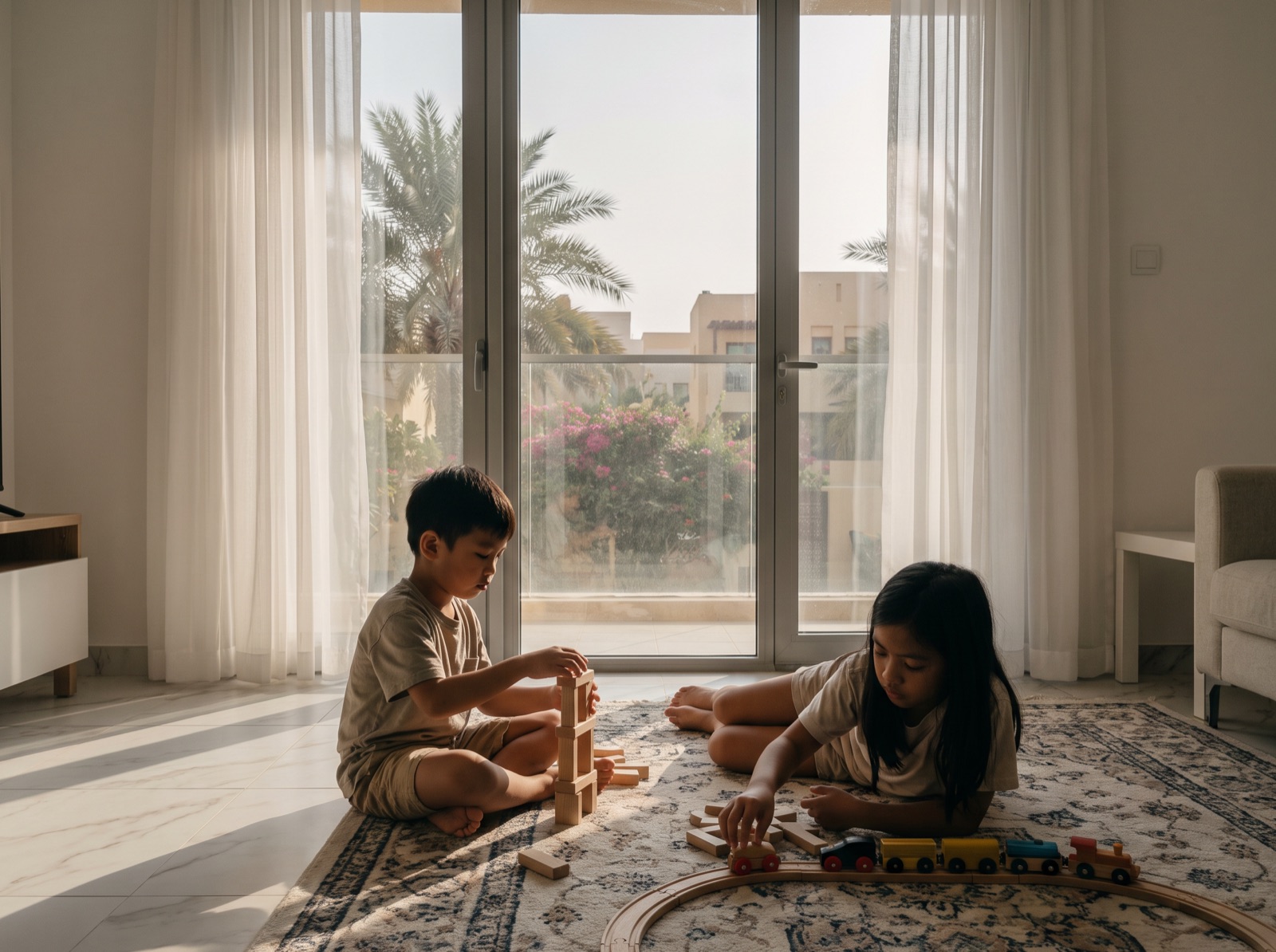
Side-by-side activities — building something together, walking, a shared screen — often produce more real engagement than face-to-face prompting ever does, because they take the pressure off. Following your child's own interest, narrating instead of questioning, and accepting other signs of attention, like facing your general direction or responding to what you say, all build connection without the discomfort.
If you're not sure what's right for your child
Every child is different, and a therapist who knows yours well is best placed to decide whether eye contact belongs in their plan at all. Our approach is built around individualised goals rather than one-size-fits-all targets, and we're glad to talk through what that looks like for your child.