Cerebral Palsy
Supporting a child with cerebral palsy at school
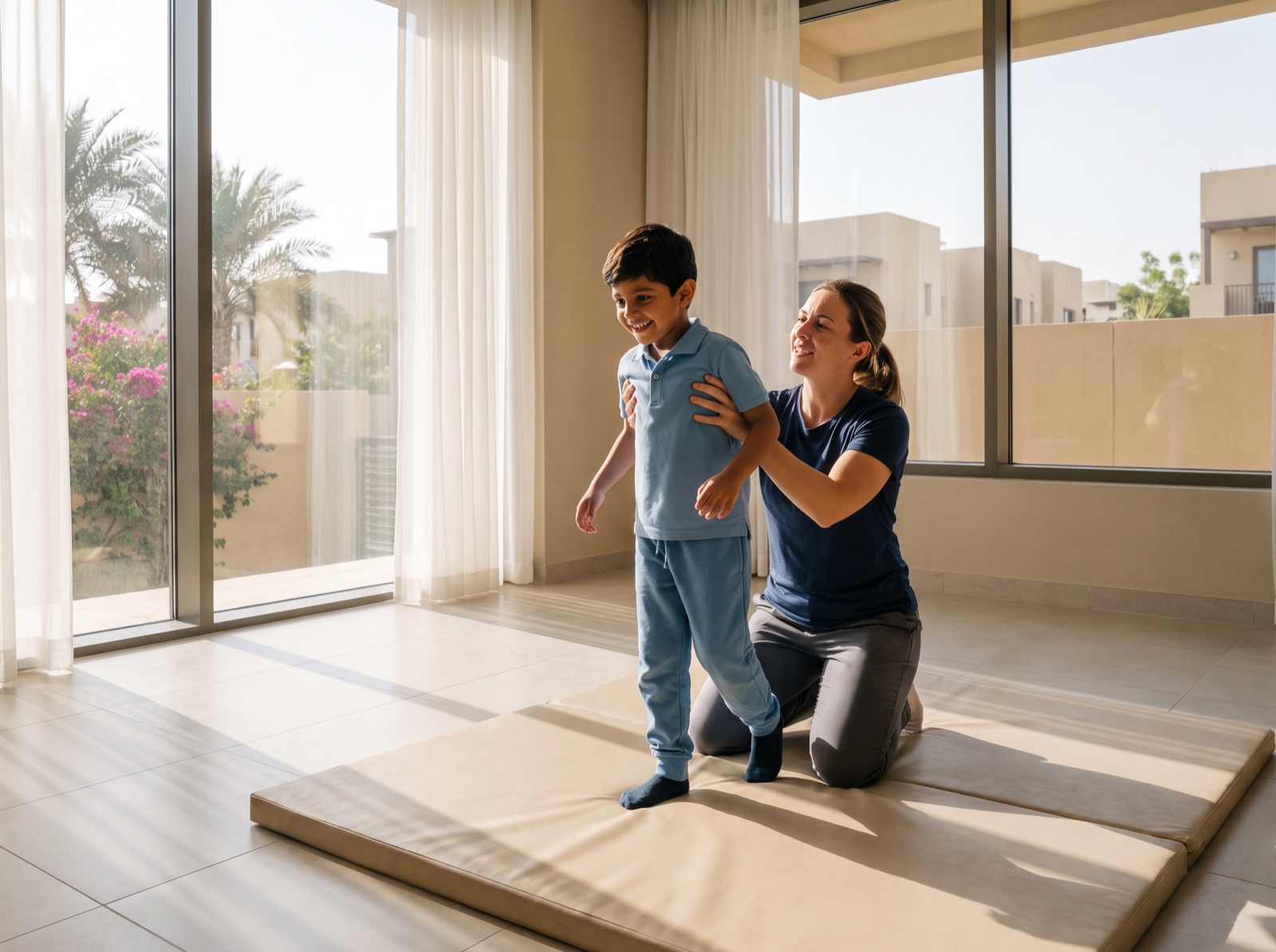
Cerebral palsy varies enormously in how it affects a child day to day, which means school support needs to be specific to the individual child, not a generic accommodation list.
Physical access first
Classroom layout, mobility around the school, and access to specialist equipment during the day are foundational — support can't be effective if the physical environment isn't workable first.
An LSA who understands physical support
An LSA supporting a child with cerebral palsy needs briefing specific to that child's mobility, communication style and energy levels through the day — not the same training used for other conditions.
Coordinating with therapists
The best outcomes we see involve the school, the LSA and the child's physical or occupational therapist actually communicating — so strategies used in therapy carry over into the classroom instead of staying separate.
Set realistic pacing
Fatigue is a real factor for many children with cerebral palsy. Building in rest points through the school day, rather than pushing through, tends to support better engagement overall.