Autism
Nonverbal autism: how AAC and PECS help children communicate without speech
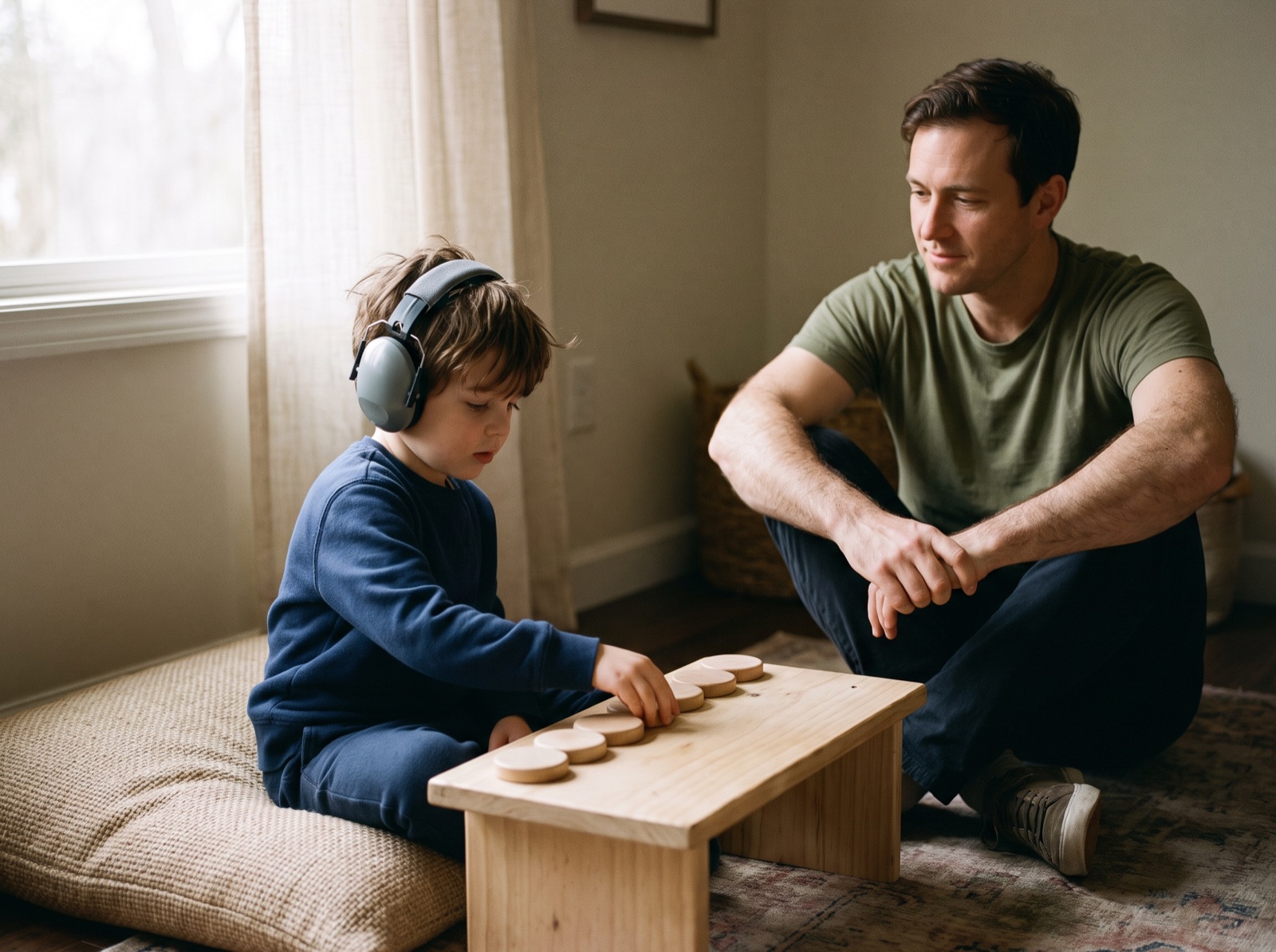
Not being able to say what you want, need, or feel is exhausting — for a child, and for the parents trying to work out what's wrong. If your child is nonverbal or uses very few words, augmentative and alternative communication (AAC) and the Picture Exchange Communication System (PECS) are two of the most well-established ways to open up real communication, without needing spoken language to come first.
What AAC and PECS actually are
AAC is an umbrella term for any tool that supports or replaces spoken communication — picture cards, communication boards, and speech-generating apps on a tablet all count. PECS is a specific, structured method within AAC that starts with a child physically exchanging a picture card for something they want, then builds up through stages toward full sentences on a board. Both are aiming at the same outcome: giving a child a reliable way to communicate right now, whatever happens with spoken language over time.
How a child actually learns to use them
Learning starts small and concrete — a single symbol for "juice" or "iPad" handed to an adult in exchange for the item, so the link between picture and result is immediate and rewarding. From there, a speech and language therapist builds up vocabulary, simple sentence structures like "I want ___," and eventually more abstract ideas such as feelings or questions. Progress is often slower and less linear than parents expect going in, and that's normal — the real skill being taught isn't "point at picture," it's the bigger idea that communicating changes what happens next.
The worry that it will delay speech
This is one of the most common questions we hear, and it's a fair one — handing a child pictures or a device can feel, on the surface, like giving up on speech. The evidence actually points the other way: AAC and PECS reduce the frustration built up around not being understood, and for many children that reduction in frustration is exactly what makes verbal attempts more likely, not less. AAC doesn't compete with speech — it gives a child a working communication system now, alongside whatever spoken language does or doesn't develop over time.
Choosing between AAC and PECS
Which one to start with, or whether a child ends up using a mix of both, really is an individual decision based on motor skills, attention, sensory preferences, and however your child already tries to get a message across. A tablet app suits some children; the physical hand-over of a card suits others better, especially early on. This isn't something to decide from a blog post — it's exactly what a speech and language therapist should assess directly with your child.
If your child is nonverbal or minimally verbal, support doesn't need to wait for a formal autism diagnosis to be finalised — it can start in parallel. Our speech and language therapy team can assess where your child is right now and help you build a communication plan around it.