Sensory Processing
What is sensory overload, and how is it different from a meltdown?
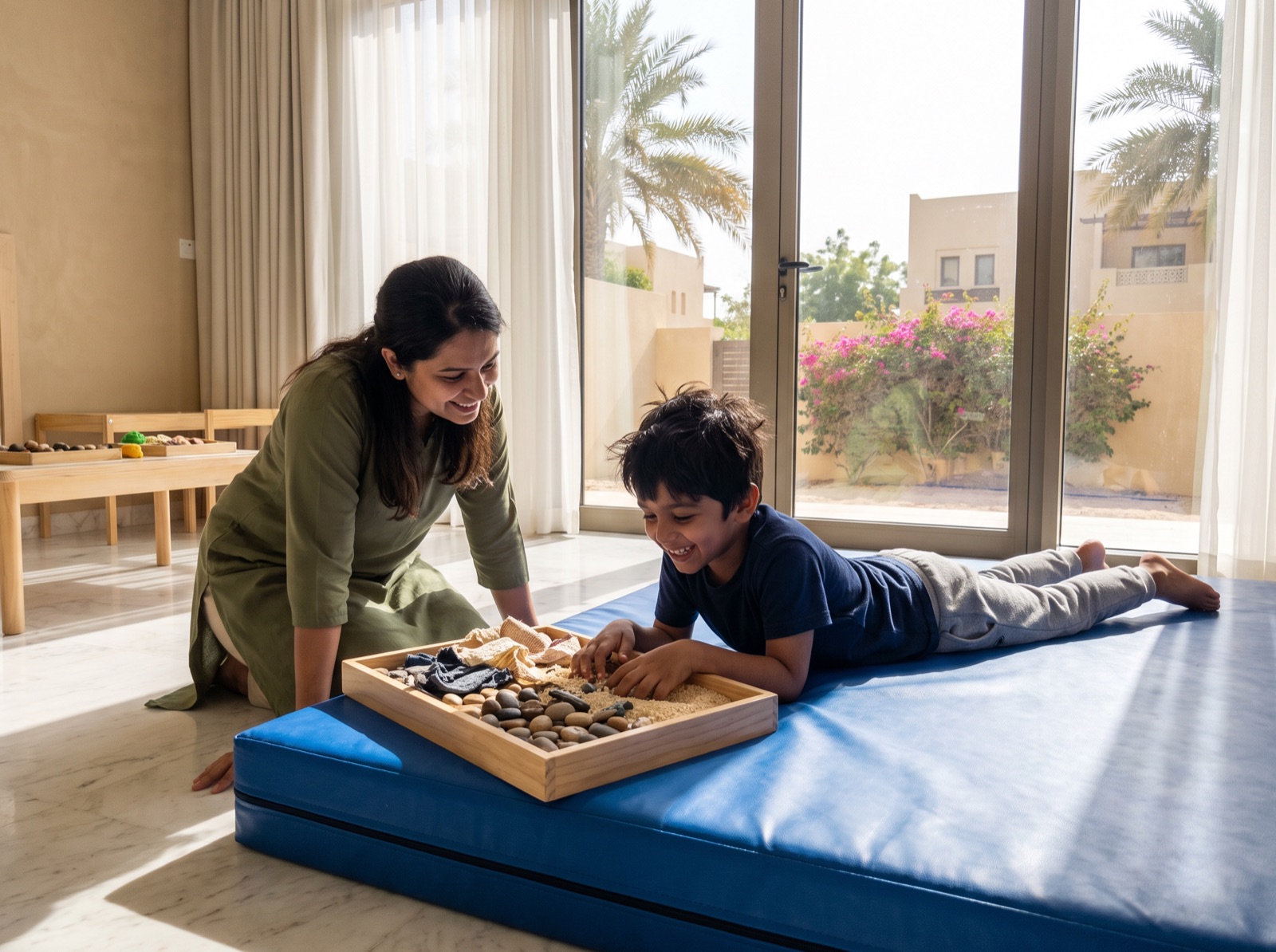
"Meltdown" gets used as if it's the whole story, but it's usually the end of one — the visible part of something that started well before anyone saw it. Sensory overload is the cause; a meltdown is one possible result of it, not the only one, and not even the most common one for every child.
What sensory overload actually is
Sensory overload is what happens when the nervous system is taking in more input than it can filter or process at once — noise, light, movement, crowding, smells, textures, all landing faster than the brain can sort through them. It's a physiological state, not a behaviour choice, and it can build gradually over an hour rather than appearing out of nowhere.
A meltdown is one outcome — not the default one
When a child is overloaded, the nervous system has more than one way to respond. Some children move toward what looks like a meltdown — big, visible, hard to miss. Others move toward flight, trying to leave the situation, or toward something closer to shutdown — going quiet, still, and hard to reach. All three are responses to the same underlying state; a meltdown is just the loudest one, which is part of why it gets treated as the whole story.
The early signs, before it tips over
Overload usually has a visible window before it escalates, and it's worth learning what it looks like for your own child specifically. Common early signs include covering ears or eyes, a sudden increase in stimming, more rigid insistence on routine, going flat or unusually quiet, sudden irritability, or trying to leave a space they were fine in five minutes earlier. This window is where stepping in actually works — once a child is fully in a meltdown, the goal shifts from prevention to getting through it safely.
What helps in that window
The most useful move is reducing input, not just reducing demands. That can mean lowering noise and light where you can, offering noise-cancelling headphones, moving to a calmer space, or simply giving your child room without immediately asking questions or adding anything new to process. Avoid piling on more instructions or decisions during this window — it's not the moment for "one more thing."
Why the distinction is worth holding onto
Treating every meltdown as a discipline problem misses that it's downstream of something physiological, not a choice. Understanding overload as the trigger — and learning your own child's early signals — gives you a much earlier point to step in, and it takes some of the guilt out of the moments when, even with everything done right, a meltdown still happens anyway.
If sensory overload is a regular part of your family's day, our sensory processing support team can help you map your child's specific triggers and build a plan around them.