Autism
Sleep problems in autistic children: practical strategies that actually help
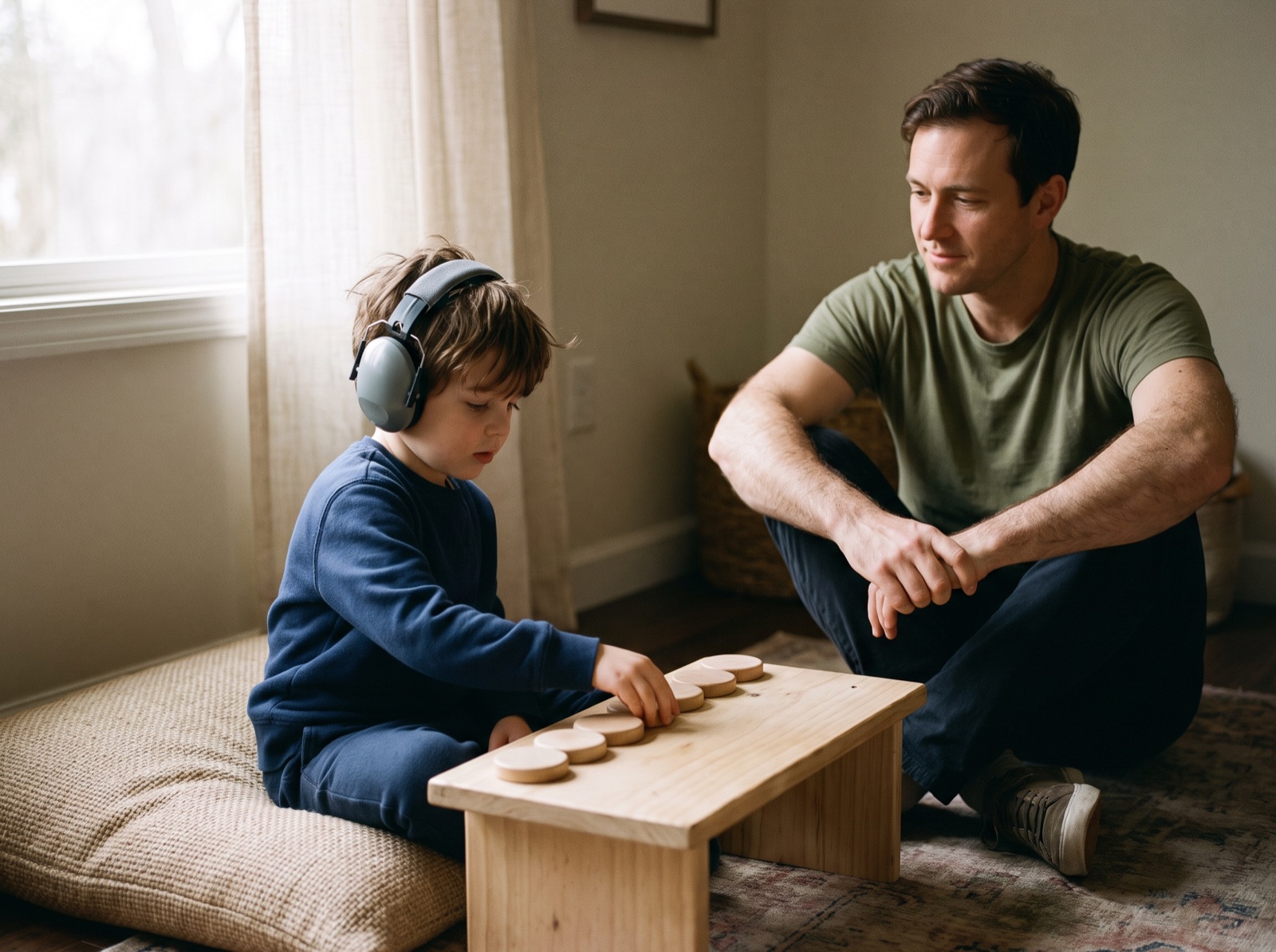
Bedtime battles, frequent night waking, and early morning starts are exhausting for the whole household — and sleep difficulties are genuinely more common among autistic children than in the general population. The good news is that a lot of it responds well to changes in routine and environment, even before anything more clinical is needed.
Why sleep is often harder
Autistic children frequently process sensory input differently, so the feel of pyjamas, the hum of an air conditioning unit, or light seeping under a door can be enough to keep a child alert when they should be winding down. There's also good evidence that some autistic children have differences in how their bodies regulate melatonin, the hormone that signals it's time to sleep, which can push their natural sleep-wake rhythm later than typical. Anxiety plays a role too — a mind still working through the day's events, or anticipating tomorrow's changes, doesn't switch off easily.
Routine and environment changes that help
A consistent, visual bedtime routine — the same steps, in the same order, shown as pictures or a checklist rather than just spoken — gives your child's brain a predictable runway into sleep, rather than an abrupt demand to "go to sleep now." Look hard at the sensory environment too: blackout curtains, a weighted blanket if your child responds well to deep pressure, quiet or steady white noise instead of unpredictable household sound, and pyjamas in a fabric they actually tolerate. Keep wake-up and bedtime consistent even on weekends, since an irregular schedule undoes a lot of the benefit of a good routine on school nights.
What to avoid
Screens in the hour before bed are worth cutting regardless of diagnosis, but they matter more here — blue light and stimulating content actively work against melatonin release. Avoid introducing several new changes to the bedtime routine at once when you're troubleshooting sleep; changing everything together makes it impossible to know what actually helped, and adds unpredictability at exactly the moment you're trying to reduce it.
When to raise it with a professional
If you've given a consistent routine and environment changes a genuine few weeks and sleep still isn't improving, or if snoring, breathing pauses, or significant daytime sleepiness are part of the picture, it's worth talking to your paediatrician — there may be a medical piece worth ruling out. An occupational therapist can also help pinpoint the specific sensory triggers keeping your child awake, rather than you guessing at what to change next.
A few consistent weeks of the right changes solves this for a lot of families — and if it doesn't, that's useful information too, not a dead end. Our autism support team can help you work out what's actually driving your child's sleep difficulties and where to start.