Guides
Supporting siblings when one child has additional needs
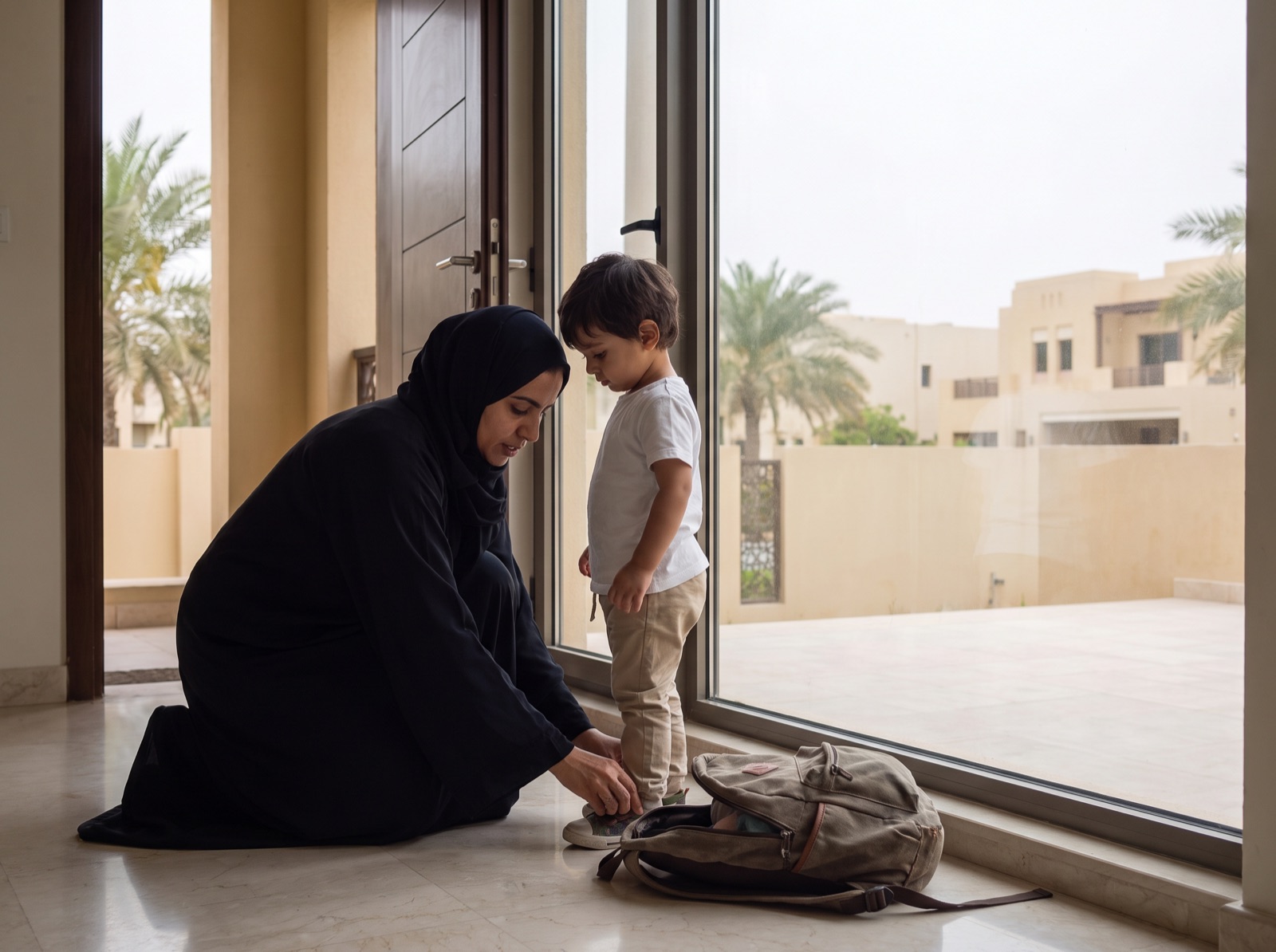
When one child needs extra support, it's easy for the other children in the family to quietly get less attention — not because anyone means for that to happen, but because urgent things tend to take the time. It's worth naming this directly, because siblings' experience matters too, and there's a lot you can do.
A dynamic that's rarely talked about
Most conversations about additional needs understandably centre on the child who needs support. But siblings are living this too, day in and day out — they notice the extra appointments, the different rules, and where the attention goes, even when nobody has explained why.
What siblings often feel
It's rarely just one feeling. Siblings can be proud and protective of their brother or sister one moment and frustrated or embarrassed the next — sometimes within the same afternoon — and many feel guilty for having the harder feelings at all. None of this means anything has gone wrong; it's a normal response to a genuinely complicated situation.
Protecting one-to-one time
Even a short, predictable slice of one-to-one time with each sibling — a regular outing, or ten uninterrupted minutes at bedtime — tends to matter more than long stretches of unstructured family time. It doesn't need to be equal in amount to feel fair; it needs to be consistent enough that your child can count on it.
Talking about it honestly
Children generally do better with a simple, honest explanation pitched at their age than with silence or vague reassurance. You don't need to cover every clinical detail — just enough truth that your child isn't left filling the gaps with their own worries, or caught having to explain their sibling's behaviour to friends unprepared.
Not the built-in helper
It's natural for a sibling to want to help, and involving them a little is healthy. It's worth watching, though, for that tipping into an expectation that they supervise, translate, or manage their sibling's needs day to day — that's a parent's or a professional's role, not a child's, however capable that child seems.
When siblings need their own support
If a sibling seems persistently withdrawn, anxious, or angry, that's worth taking seriously in its own right rather than assuming they'll adjust. Parent coaching sessions often end up covering exactly this — how to support the whole family, not only the child receiving therapy or assessment.
Our families page has more on how we think about supporting the wider household, not just the child in front of us.