Speech Delay
My toddler understands everything but doesn't talk — what does that mean?
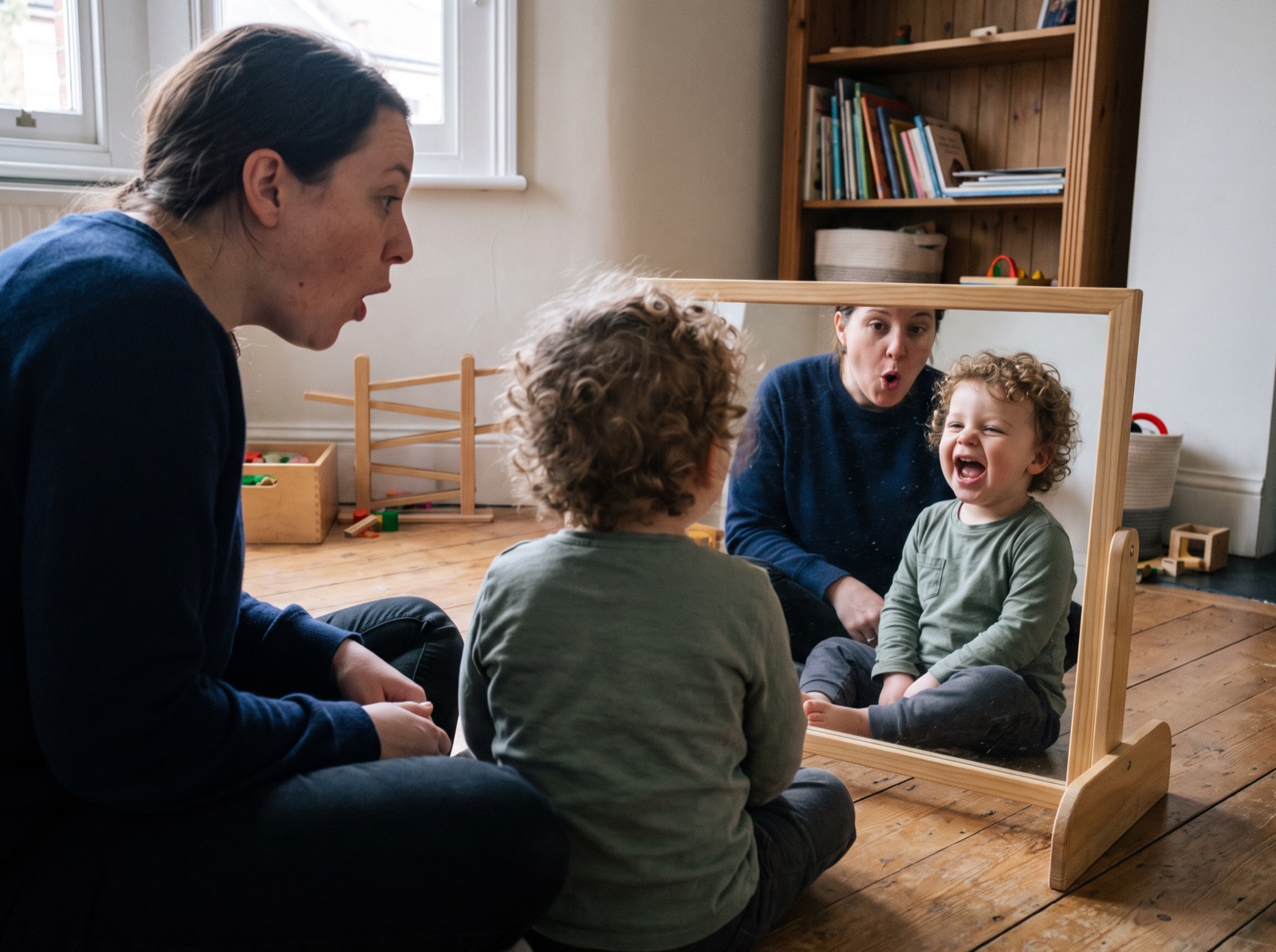
It's one of the most common things parents tell us: "she understands absolutely everything, she just doesn't talk." It's a genuinely different situation from a broader speech and language delay, and it's worth understanding why.
Understanding and talking are two different skills
Receptive language is what your child takes in — following instructions, recognising words, understanding questions and stories. Expressive language is what comes out — words, phrases, and gestures used to communicate. A child can have strong receptive language and still have a real gap in expressive language, because these two skills don't have to develop at the same pace.
What this pattern can suggest
When understanding is clearly ahead of talking, it often points to a specific difficulty with the output side of speech — retrieving words, sequencing sounds, or planning the mouth movements needed to speak clearly — rather than a delay across the board. That's a meaningfully different picture from a child who is also behind on understanding, and it usually calls for a different kind of support: targeted work on getting language out, rather than building comprehension from scratch.
Signs worth paying attention to
Many children in this situation find other ways to communicate — pointing, pulling you toward what they want, expressive gestures, or a handful of sounds used consistently and on purpose. That's actually a reassuring sign: it shows the drive to communicate is there, even before the words are. What's more worth flagging is a child who seems to want to say something, gets visibly frustrated when they can't, or has largely stopped trying to communicate at all — those are the moments worth mentioning to a speech and language therapist sooner rather than later.
A reasonable next step
This isn't a "wait and see" situation, but it isn't a reason to panic either. A short screening call with a speech and language therapist can tell you whether what you're seeing is a normal part of your child's development or something worth actively supporting — and support can typically start well before, or alongside, any formal diagnosis.
If this sounds like your child, a screening conversation is a low-pressure way to get clarity. Learn more about speech delay support, or reach out when you're ready.