OCD & Anxiety
Understanding OCD in Children: What Parents Often Mistake for 'Just Habits'
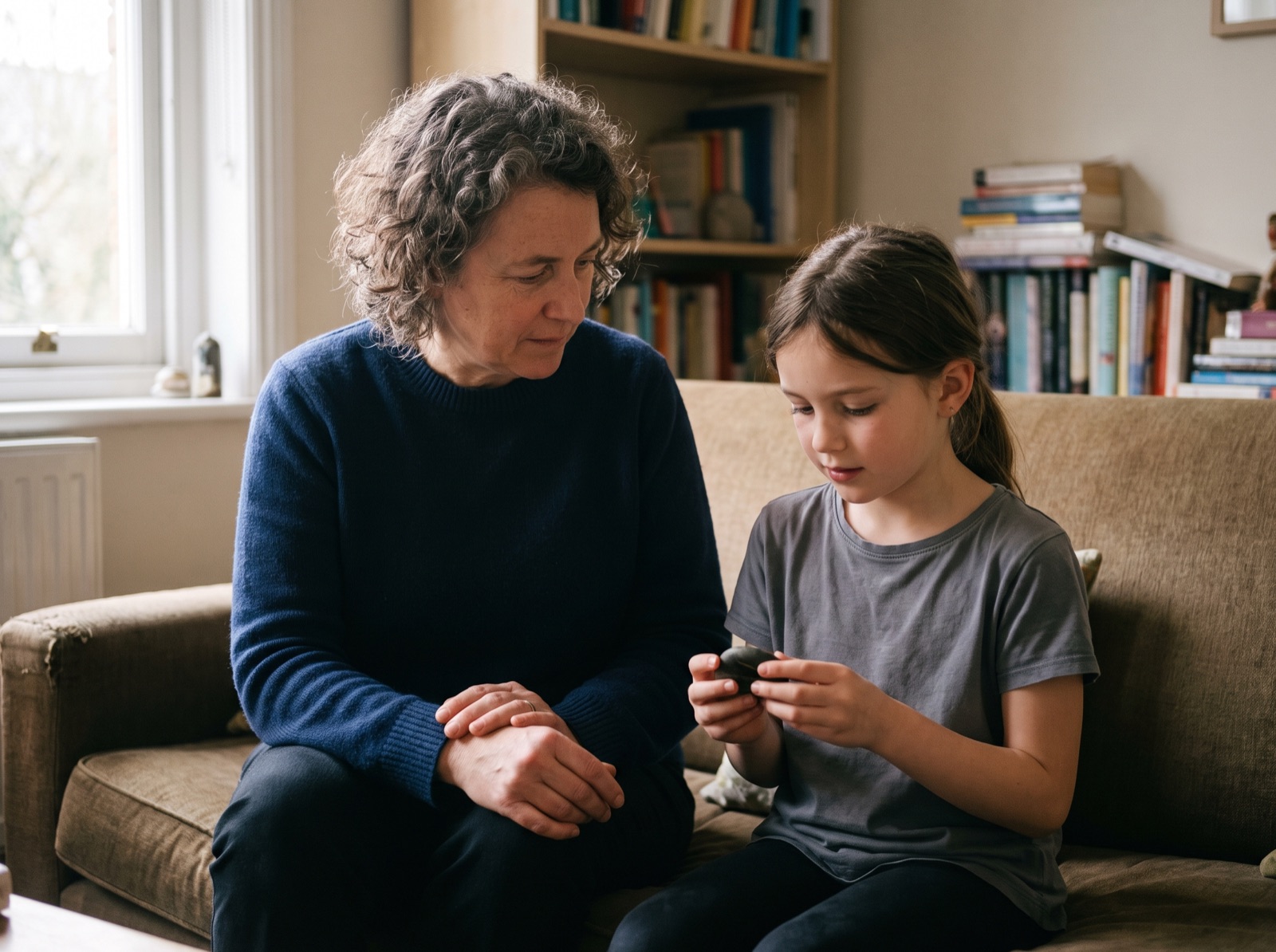
Most young children go through phases of ritual. The same bedtime story, read in exactly the same way. A particular order for getting dressed. A refusal to step on cracks in the pavement. These are a completely normal part of development, and for the vast majority of children they're comforting rather than distressing, and they fade on their own within weeks or months. So when, if ever, does a routine become something worth a closer look?
Where ordinary rituals end
Typical childhood rituals are generally flexible under the surface. A child might protest if the bedtime story changes, but a bit of grumbling and a quick recovery is normal — the routine isn't controlling their day, and interrupting it doesn't cause real distress. These habits also tend to shift and fade naturally as children grow, replaced by new interests and new routines, without anyone needing to intervene.
What OCD looks like instead
Obsessive-Compulsive Disorder is built from two connected parts. Obsessions are unwanted, intrusive thoughts or worries that a child can't easily switch off — a fear of contamination, a worry that something bad will happen to a parent, or a feeling that things need to be arranged in a very specific way to feel "right." Compulsions are the repetitive behaviours or mental acts a child does to try to relieve that anxiety: excessive handwashing, checking something over and over, repeating an action a set number of times, or asking the same reassurance-seeking question again and again. The key difference from an ordinary routine is the combination of distress and disruption — compulsions that eat up real time each day, make it hard to leave the house on schedule or finish homework, and that provoke genuine anxiety, not just mild annoyance, if they're interrupted.
Why it's easy to miss or misname
Young children rarely have the language to say "I keep having a thought I can't get rid of." What a parent or teacher actually sees is often stubbornness, slowness getting ready in the morning, a meltdown over a wrinkled sock, or repeated questions that seem to come from nowhere. It's worth being clear here: most repetitive behaviour in childhood is not OCD, and noticing a routine in your child isn't a reason to worry on its own. The signal worth paying attention to isn't the routine itself — it's whether it's genuinely distressing, growing in scope, and starting to interfere with ordinary daily life.
What support looks like
OCD in children is well understood and genuinely treatable, most commonly with a structured form of cognitive behavioural therapy delivered by a psychologist experienced in working with children, sometimes alongside a psychiatrist where medication is appropriate for more significant presentations. None of that is something to work out from an article — a paediatrician or child psychologist is the right starting point for an actual assessment. It's also worth knowing that under Dubai Health Authority's 2026 Basmah regulations, licensed insurers are now required to include baseline mental health coverage, which was previously often an optional add-on. That said, the number of covered sessions and the co-pay level still vary meaningfully by insurer and policy tier, so it's worth checking your specific plan rather than assuming what's included.
If you're not sure
The point of understanding OCD isn't to start scanning your child's every habit for red flags — most rituals are just childhood being childhood. It's to recognise the difference when it matters, and to know that support exists and works well when it's needed. Special Minds connects families with psychologists and therapists experienced in childhood OCD, so you're not left guessing on your own. Our assessment page is the right place to start if you'd like a professional read on what you're seeing.
If you'd like to understand what day-to-day support looks like, our OCD support page covers assessment, therapy options and what to expect.