Dyspraxia · Dubai & UAE
Dyspraxia support for children in Dubai
Hands-on help with coordination and the everyday tasks it affects, from handwriting to PE.
Early signs to look out for
What families often notice first.
Not a checklist for diagnosis. Just what usually prompts a conversation.
- Frequent clumsiness — bumping into things, dropping objects, or tripping more than other children their age
- Difficulty with fine motor tasks like buttons, zips, cutlery, or tying shoelaces
- Handwriting that's slow, effortful, or hard to read compared to classmates
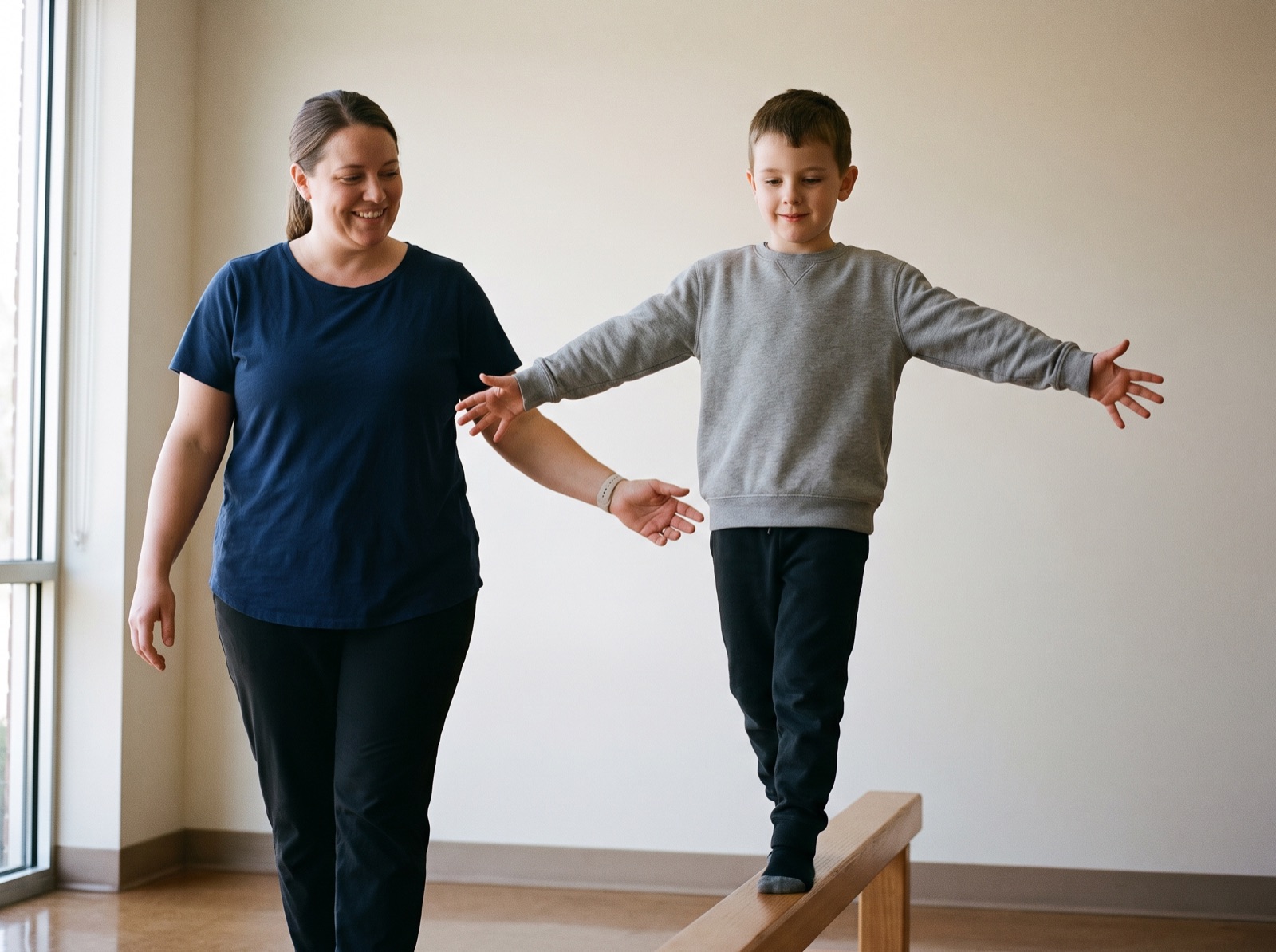
- Trouble with gross motor skills — running, jumping, catching or kicking a ball
- Difficulty following multi-step instructions or sequencing tasks like getting dressed
- Avoiding PE, playground games, or activities that involve coordination
How Special Minds helps
A plan, not a placement.

Occupational therapy for motor skills
Structured OT sessions targeting the specific fine and gross motor skills your child finds hardest, from pencil grip and scissor use to balance and ball skills.
Classroom support (LSA)
A one-to-one LSA can support your child in lessons and PE, adapting tasks so coordination difficulties don't get in the way of learning or participation.
Practical strategies for home
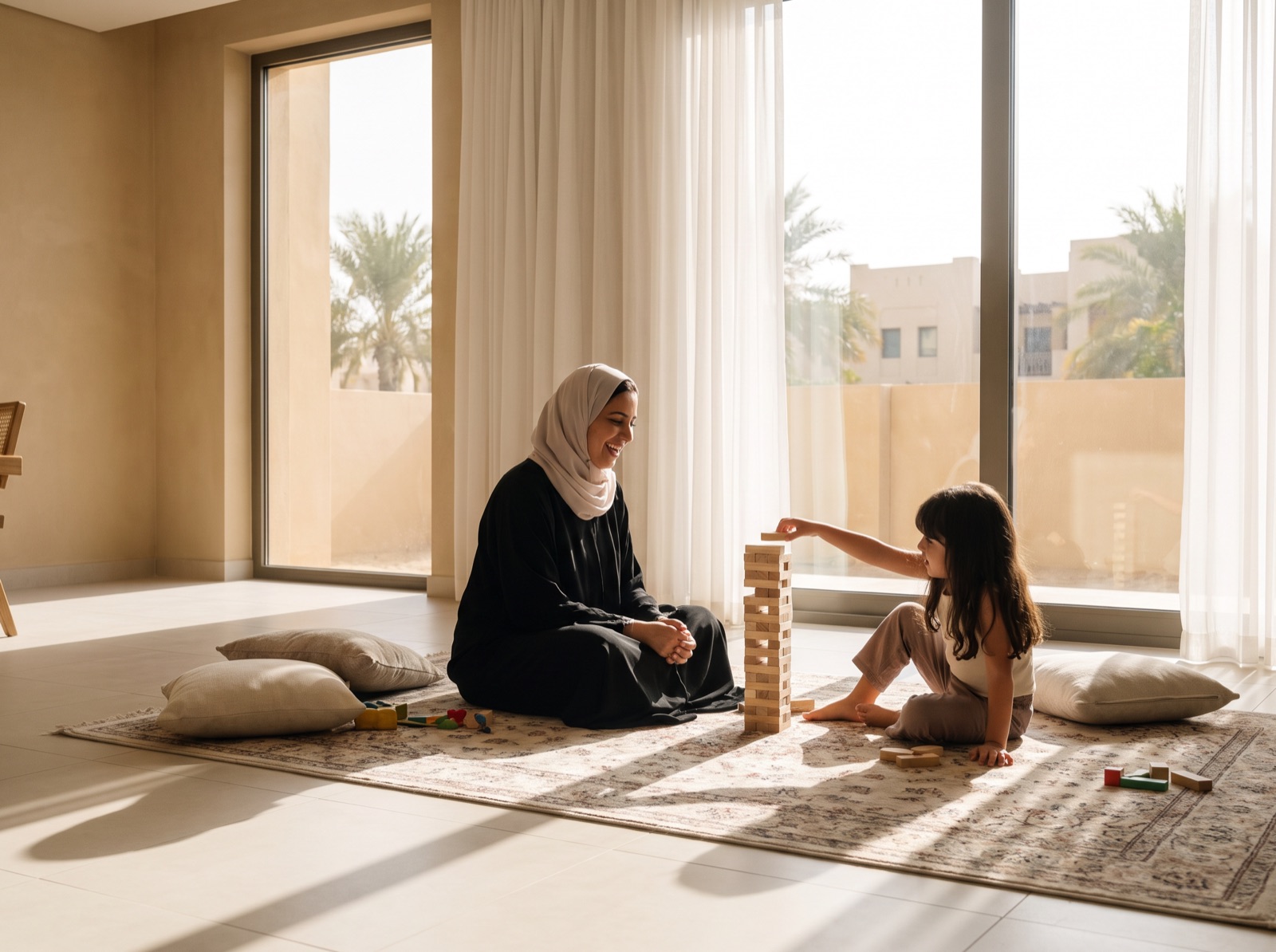
You'll get specific, workable ways to support dressing, mealtimes and homework at home — routines that reinforce what's being worked on in therapy sessions.
Individualised, tracked goals
Every plan is built around your child's own coordination profile, with clear goals and visible progress reviewed regularly, not generic exercises.
Support in Dubai & the UAE
Local, practical, no waitlists in the dark.
We work with families across Dubai and the wider UAE, usually starting with a short conversation to understand where your child is struggling day to day — getting dressed, handwriting at school, keeping up in PE — before recommending an approach.
Frequently asked
Questions parents ask us.
- Is dyspraxia just clumsiness, or is it something more?
- Dyspraxia (DCD) affects motor planning and coordination in a consistent, day-to-day way — it's more than occasional clumsiness. An assessment can help clarify what you're seeing and what support would actually help.
- Does my child need a formal diagnosis before starting therapy?
- No. Occupational therapy and classroom support can start alongside, or even ahead of, a formal diagnosis — we focus on what your child needs now rather than waiting on a label.
- Does dyspraxia only affect PE and sport, or does it show up in class too?
- It often shows up well beyond the playground — in handwriting, organising materials, following multi-step instructions, and pacing through classwork. We look at the whole school day, not just movement.
- Will my child's school allow a classroom assistant?
- Most schools across the UAE — including those regulated by KHDA, ADEK, and other local authorities — can accommodate one-to-one support with the right paperwork. We'll help you navigate that conversation with the school.
- Does insurance cover occupational therapy for dyspraxia?
- Coverage varies by insurer and policy, so we can't promise specifics upfront — once we understand what your child needs, we'll help you check what your plan includes.
- At what age can OT for dyspraxia start?
- We work with children across a wide age range, adapting therapy to the stage they're at — from early motor skill-building in younger children to handwriting and daily living skills in older ones.
Not sure where to start?
Start with an assessment.
A behavioural and educational assessment of your child at home, school or a centre, then a call with our Educational & Program Director to talk through what we found — and a specific recommendation, not a guess.
No commitment to ongoing support, and we will tell you if the answer is someone other than us.
Let's talk about dyspraxia support for your child.
No pressure. Just a conversation with our clinical lead.