Guides
SEN governess and school: how to make them work together
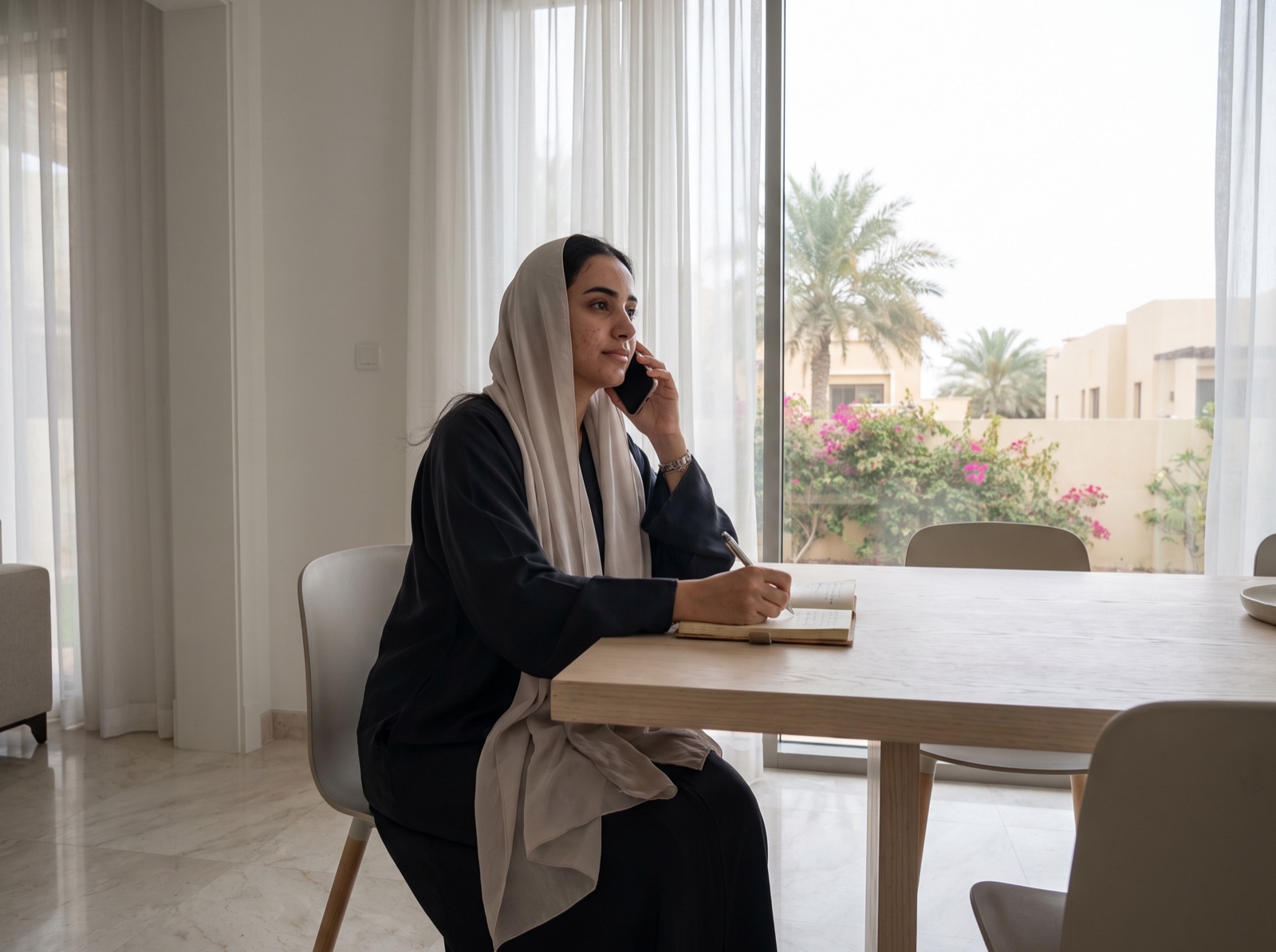
The short answer: your child has one set of needs, so school and home should be working to one set of goals. The school owns what happens in school, the governess carries the plan at home, and the two coordinate through an agreed channel, usually the SENCO, with your permission and the school's agreement. Done well, the same strategy is used in the classroom and the living room, and your child no longer has to translate between them.
Start with the school's agreement
A governess who works with your child at home does not have an automatic place in the school's conversations. Schools have their own policies on who they share information with and who can be involved in a child's support, and they will expect your permission before discussing your child with anyone outside the family.
So begin with a conversation with the school, normally the SENCO or the head of inclusion. Explain who the governess is, what the role covers at home, and what kind of contact would help. Then agree:
- Who at school is the point of contact, and how they prefer to be contacted
- What information will be shared, in which direction, and how often
- Whether the governess may attend meetings, and which ones
- Your written consent for the school and the governess to talk about your child
If the school is not comfortable with direct contact, you can still be the link: pass the school's targets to the governess and the governess's notes to the school. It is slower, but it keeps everyone working to the same plan.
What to share, and how
Short, regular and predictable works better than long and occasional. Many families find a weekly note works well: what your child has been working on at home, what went well, anything that has changed, and any questions for the class teacher. In the other direction, the most useful things from school are the current targets from the IEP or support plan, the strategies the class uses, and notice of changes coming up, such as a new topic, a trip or a timetable change.
Avoid a constant stream of messages to teachers. Agree the channel and the rhythm, and keep urgent contact for things that are actually urgent.
Homework
Homework is often where school and home collide. A governess can turn it from a nightly battle into short, planned sessions, but only if the approach matches what the teacher expects.
- Ask the teacher what the homework is for. Practice, independence or finishing class work? The answer changes how much help is appropriate.
- Record what was supported. If your child completed a worksheet with a lot of help, the teacher needs to know, or they will assume the skill is secure.
- Use the classroom's methods. The same way of setting out a calculation, the same phonics sounds, the same visual supports.
- Flag overload early. If homework regularly takes far longer than intended or ends in distress, tell the school, with notes, rather than pushing through every night.
School-plus-home: one person in both settings
Some families want the same specialist to support their child in class and at home afterwards. Where it is possible it is a strong arrangement, because one person carries the same strategies all day and nothing is lost at the school gate.
It needs the school's agreement, and schools have their own requirements for anyone supporting a child in class. In Dubai, KHDA's shadow teacher policy is worth reading before you raise it. On our managed placements, we coordinate the arrangement with the SENCO directly rather than leaving it to you.
When school and home see different things
It is common for a child to look quite different at school and at home. A child who holds it together all day may unravel at pickup; a child who struggles in a busy classroom may manage well one-to-one. Neither picture is wrong, and both are useful.
When the two disagree, bring records to the table rather than impressions: the governess's notes, the school's observations, and the plan. A meeting with the SENCO, and where relevant the clinical lead or your child's therapist, usually resolves more than a chain of messages. The governess's notes are also useful at IEP meetings, where they show what your child does outside school, and preparing for an IEP meeting covers how to bring the home side into that conversation.
Our SEN governess page explains how the role works alongside school, and LSA and shadow teacher support covers classroom support on its own. For a clearer picture of who does what at school, class teacher vs SENCO vs shadow teacher sets out the roles.