Guides
Taking a SEN governess on holiday: planning the summer
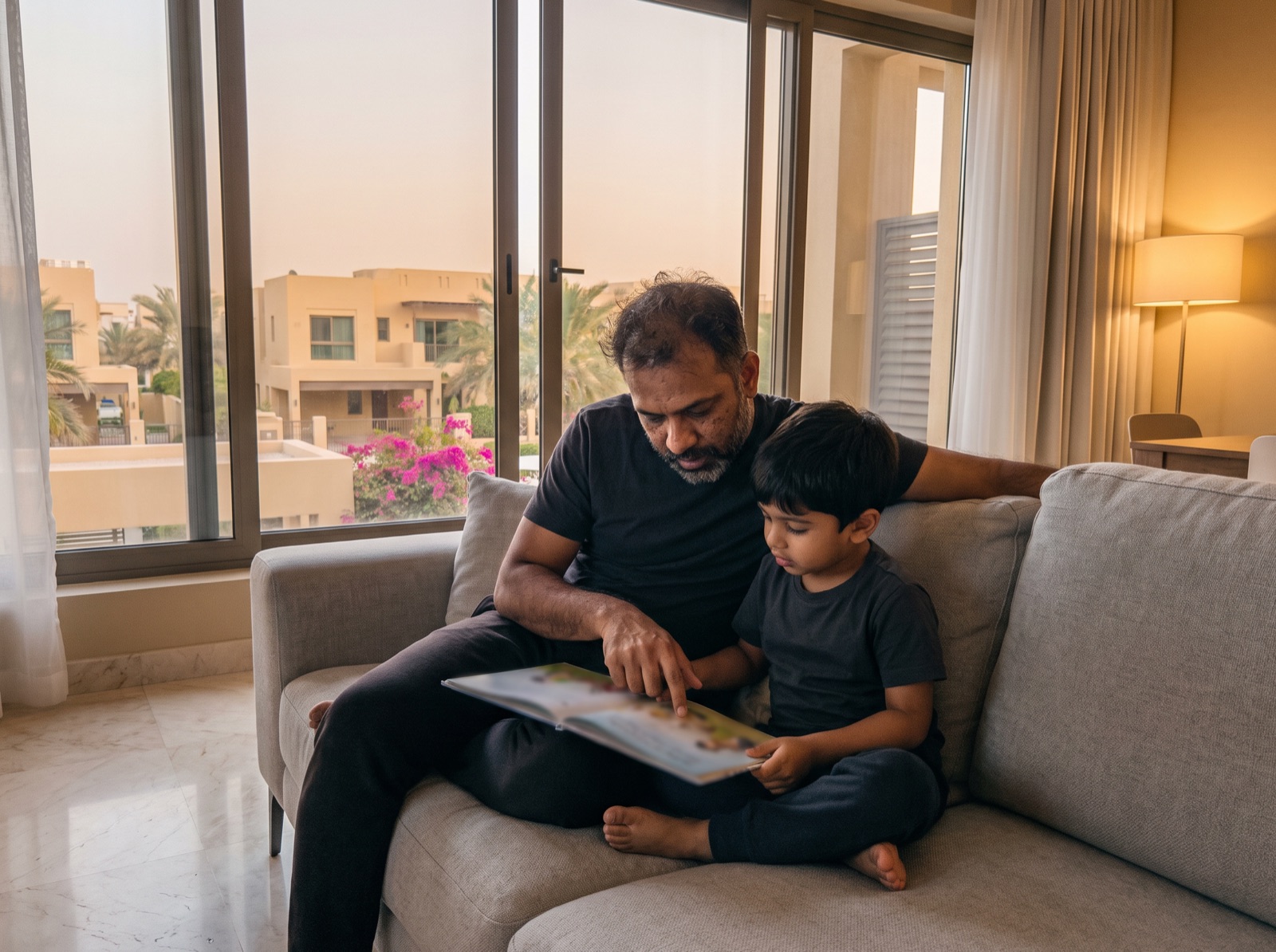
The short answer: if your child's progress depends on routine, the summer is the stretch most likely to unsettle it, and a specialist who already knows your child is one of the most practical ways to keep it steady. Book early, plan the trip around your child rather than around the itinerary, and put every arrangement in writing before anyone packs.
Why the summer is the hard part
For ten months of the year the week has a shape: school, therapy, the same pickup, the same evening. Then it stops. Therapy pauses because the therapist is travelling too, school support ends, and the household often splits between countries for weeks at a time. For a child who relies on predictability, that is a lot of change at once, and many families find that skills which felt solid in June feel shaky by September.
None of that means the summer has to be rigid. It means somebody needs to own the parts of the routine that matter most, so that the holiday can be a holiday for everyone else.
Book early, and decide which summer you need
Summer is the season every family asks for at once. If you want a specialist for July and August, start the conversation in spring, not in the last week of term. A brief that needs particular languages, particular hours or travel abroad takes longer to fill.
It helps to be clear which of two summers you are planning:
- A summer at home. Your child stays in the UAE, school has finished, and the governess runs a summer timetable: shorter learning sessions, the therapy targets carried through the break, and outings planned with the same care as a school day.
- A summer away. The family travels, and the specialist travels with you so that the routine travels too. This is a bigger ask of everyone and needs far more agreed in advance.
Some families do both: a few weeks of summer timetable at home, then the trip. If the governess is new to your child, those weeks at home first are worth a great deal. Meeting someone for the first time at a departure gate is a hard start for any child.
Planning the trip around your child
The specialist's job on a trip is the same as at home: keep the day predictable enough that your child can cope with everything that is new. In practice that means planning together before you go, not handing over the itinerary on the day.
- Prepare your child for the journey. Pictures of the airport, the plane and the place you are staying, looked at together in the weeks before, and a simple visual schedule for travel day.
- Pack the routine, not just the bags. Familiar food, comfort items, the visual timetable, headphones if noise is hard, and whatever communication system your child uses.
- Protect sleep and meals. Time zones and late dinners are where holiday routines usually fall apart first. Agree which parts of the day stay fixed wherever you are.
- Build in recovery time. Arrival days, long excursions and busy family gatherings cost a child more than they look. Plan quiet time after them, not instead of them.
- Keep the therapy targets going, lightly. Ask your child's therapists before you leave which two or three goals matter most over the break, and ask for them in writing so the governess can carry them.
What to agree in writing before you travel
Most summer arrangements that go wrong do so because something nobody wrote down became a disagreement in week two. Put these on paper, whichever way the placement is arranged:
- Hours and days off. Working hours on ordinary days and on travel days, and what counts as time off when you are all in the same place.
- Duties. What the role covers and what it does not. A governess on holiday is there for your child, not as general cover for siblings, evenings out or household tasks, unless that has been agreed separately and fairly.
- Accommodation and travel costs. Where the specialist will stay, and who arranges and pays for travel, accommodation and meals. These are for the family and the specialist to settle together before anything is booked.
- Contact and supervision. Who the specialist reports to while you are away, and how. On a managed placement, ask how the clinical lead will stay in touch over the summer.
- Emergencies. Medical information, consent, local emergency numbers, and what happens if your child is unwell or plans have to change.
- Dates and notice. When the arrangement starts and ends, and what happens if the trip is extended or cut short.
Settle one thing very early. Whether the specialist can travel to your destination at all depends on their own passport, residency and the entry rules of the country you are visiting, so check it through official sources before you book. Special Minds does not arrange visas or travel documents, and nobody should promise you that a particular person can travel to a particular country.
Coming home
The last week of the summer matters as much as the first. A child coming back from weeks away into a new school year is facing two transitions at once. Use the final week to bring the term-time routine back: earlier bedtimes, school-day mornings, and a look at photographs of the new classroom or teacher if the school can share them. Then hand over properly to whoever supports your child in term time, with notes on what held over the summer and what slipped.
If summer support is on your mind, tell us the dates and the destination early. Our SEN governess page sets out how placements work, travelling with a SEN governess covers trips in more detail, and the hiring checklist covers what to agree before anyone starts.