Sensory Processing
Sensory-friendly routines for Ramadan and Eid
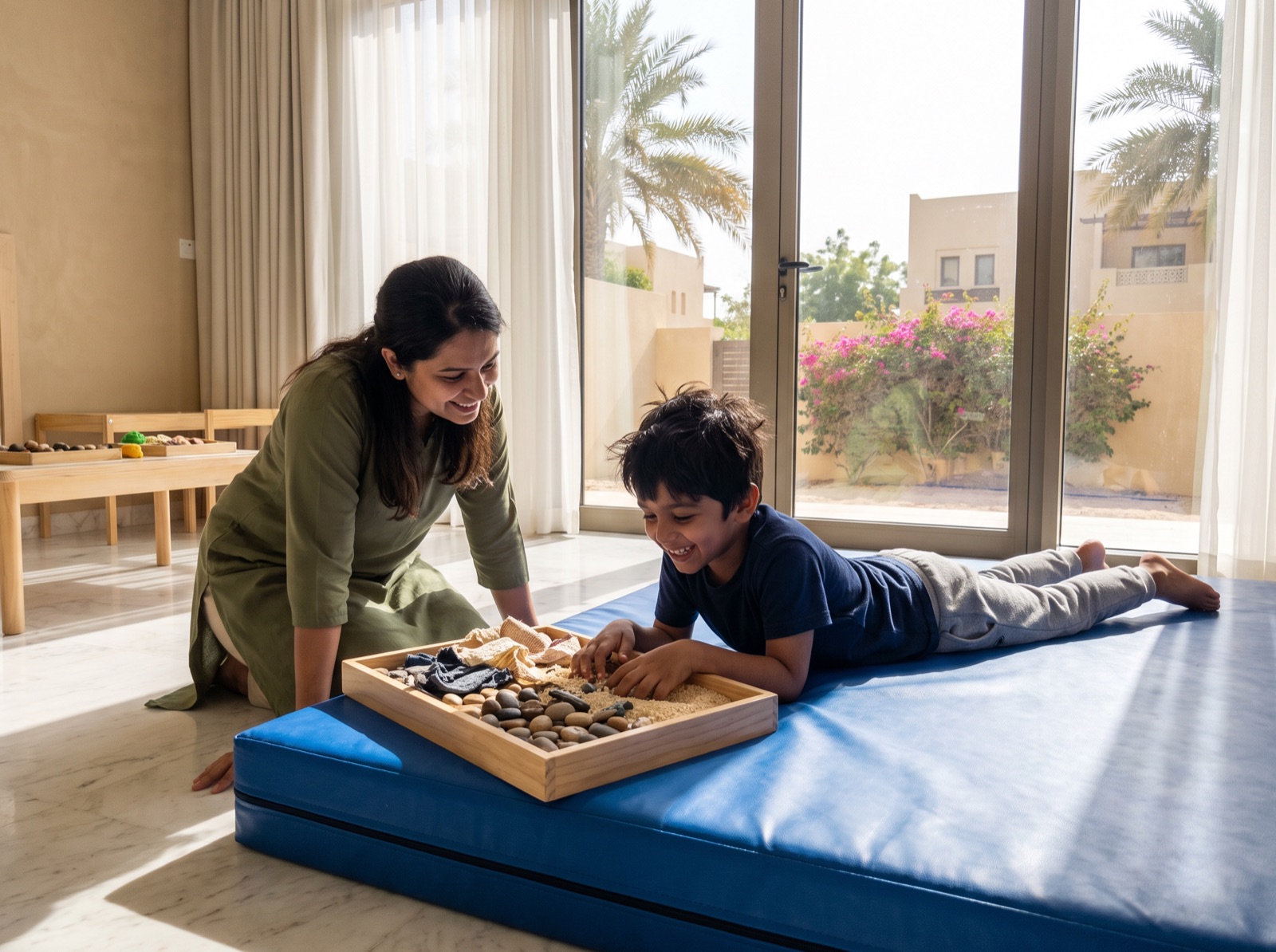
Ramadan and Eid bring a lot of change in a short window — new routines, new environments, new expectations — which can be a lot for a child with sensory processing differences. A little preparation goes a long way.
What tends to be hardest
Shifting meal and sleep times, unfamiliar or crowded settings like the mosque or a relative's majlis, higher noise levels at gatherings, and new or more formal clothing can all add up. None of this is really about Ramadan or Eid themselves — it's about how much change is happening at once, and how predictable the days feel.
Preparing before it starts
Walking a child through what to expect — using a simple visual schedule or a short social story about iftar, prayer, or Eid morning — can make the shift feel less sudden. If new Eid clothes are part of the plan, letting your child try them on a few days early gives them time to adjust to unfamiliar fabric or fit, rather than discovering a problem for the first time on the day itself.
At family gatherings
Agreeing on a quiet space in advance — with the host, if you're visiting family — gives your child somewhere to step away to if things get loud or overwhelming. Ear defenders or headphones, a familiar comfort item, and permission to leave a room for a few minutes without it becoming a whole conversation all help more than pushing through.
Around prayer times and the mosque
If your child is joining you at the mosque, sitting near an exit, choosing a quieter time slot where possible, and letting them bring a small, quiet sensory tool can make it more manageable. It's reasonable to keep a visit shorter than the adults', or to skip a particular prayer, if that's what the day needs.
Mealtimes and fasting
For younger children or those not fasting, keeping their own mealtimes reasonably consistent — even while the household's rhythm shifts around iftar and suhoor — helps avoid adding hunger or low blood sugar on top of everything else that's different. A child's own routine doesn't have to bend entirely to the season just because the adults' does.
After Ramadan and Eid
It's normal for routines to take a little while to settle back, especially sleep and mealtimes. Building in a few quieter, low-demand days afterwards tends to help more than expecting an immediate return to normal.
If sensory differences are a regular source of stress at home, our sensory processing support page has more on how we help, or get in touch for a no-pressure conversation.