Therapy
How many hours of ABA therapy does my child need?
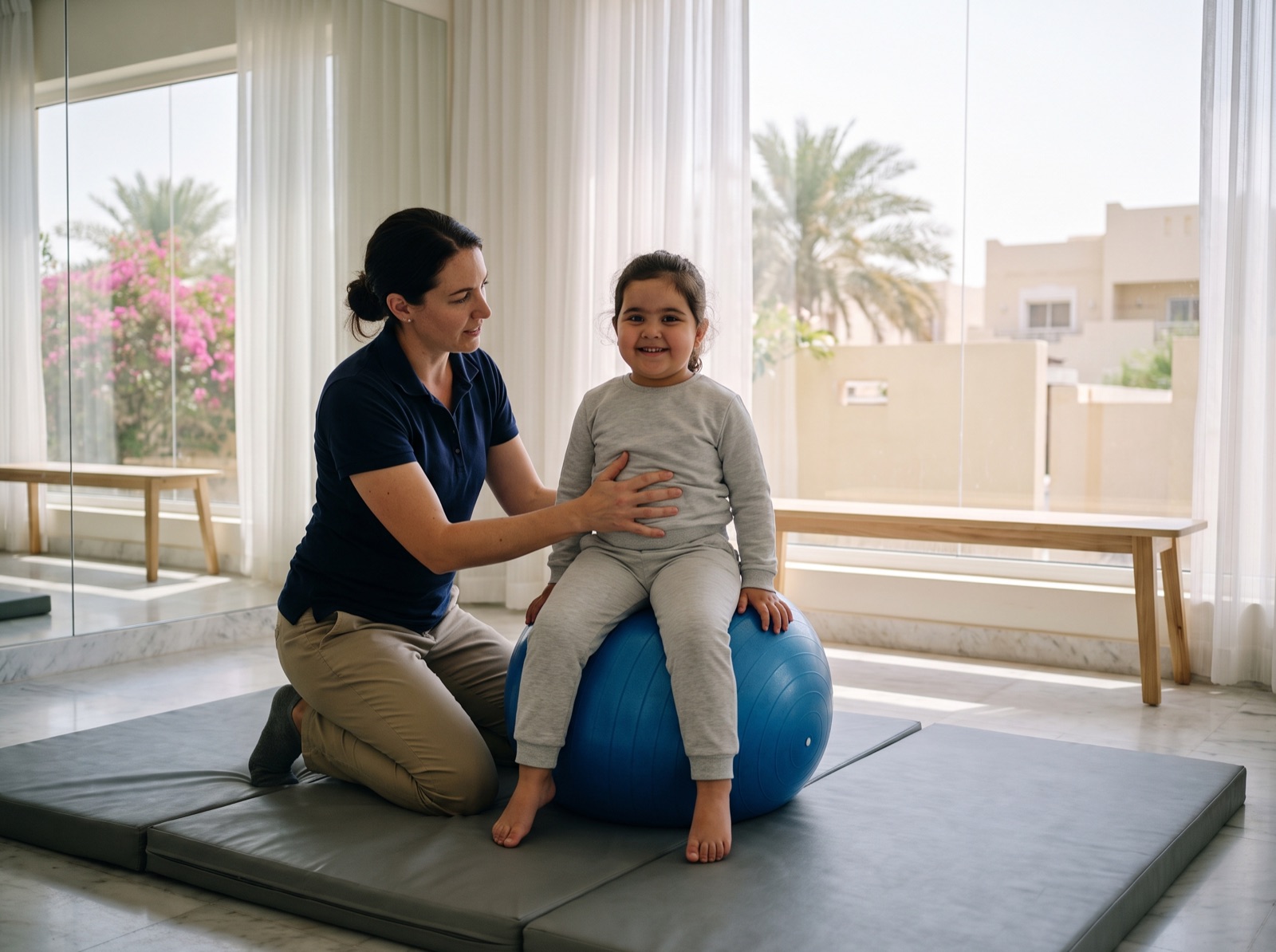
It is usually the second question parents ask, straight after cost, and the answers online are confusing. One site quotes a number of hours that would fill a working week; another suggests an hour on Saturdays is enough. Neither is useful without knowing your child. Here is how the number is actually worked out, and how to think about it as a family.
There is no standard number
Hours in ABA are a clinical recommendation, not a package size. Two children with the same diagnosis can need very different programmes, because what matters is what each child is working on, how quickly they are learning, and where the hard parts of their day are. A provider who quotes a fixed number of hours before anyone has met your child is quoting a product, not a plan.
You may also read high weekly figures online presented as if they were a rule. Most trace back to research and guidance on intensive early intervention for young autistic children, and they are often repeated without that context. They are a starting point for a conversation with a clinician, not a target your family has failed if you cannot meet it.
What the BCBA weighs up
When a BCBA recommends hours, they are balancing several things at once:
- Your child's age. Younger children in early intervention are often recommended more hours, because so much is being learned at once. School-age children usually work on narrower goals with fewer hours.
- The goals. A programme focused on one problem — toileting, a bedtime routine, behaviour at mealtimes — needs fewer hours than one building communication, play and daily living skills together.
- Where the goals live. If the difficulties are at home in the evenings and at school in the mornings, the hours may need to be split between both.
- Your child's stamina. A tired, overloaded child does not learn well. School hours, sleep, other therapies such as speech or OT, and simple time to play all count.
- What your family can sustain. Budget, insurance, work schedules, siblings and whether a responsible adult can be at home during sessions are part of the plan, not obstacles to it.
The most useful recommendations come after the BCBA has seen your child, not before, and they are explained. You should be able to understand why that number, and what the hours are for.
Why more is not automatically better
It is natural to think that if some ABA is good, more must be better. Sometimes that is true, particularly in early intervention. But hours are only as valuable as what happens in them.
A well-written programme delivered consistently for a few hours a week can achieve more than a poorly designed one running many more. Children need time to practise new skills with the people they live with, not only with a therapist, and a timetable packed with sessions can squeeze out exactly the ordinary family time where skills get used. A child who is exhausted, or who has started to dread sessions, is telling you something the timetable should listen to.
There is also the family to think of. A programme that stretches your finances or your energy past breaking point tends to collapse after a few months, and a stop-start pattern is often harder on a child than a steadier, smaller commitment.
Choosing a number you can keep up
The useful question is not "what is the maximum?" but "what can we keep doing well for the next six months?" A few things help:
- Consistency beats intensity. The same days, the same therapist and the same approach week after week usually matter more than squeezing in an extra session.
- Start where you can, then adjust. Hours can rise if the data shows your child is ready, and fall as goals are met. Good programmes plan for their own reduction.
- Count your own hours too. Parent coaching means the strategies carry on between sessions. Ten minutes of the same approach at bath time every evening adds up.
- Review with the data. A monthly review should tell you whether the current hours are working. If progress has stalled, the answer might be more hours, but it is just as often a change to the programme itself.
If you are weighing hours against cost, our guide to what ABA costs in Dubai sets out what drives the total.
How hours work with us
At Special Minds, the BCBA recommends a number of hours after reviewing your child's brief, and you decide what your family can sustain. Home programmes commonly run two to three sessions a week of one to two hours each; intensive early intervention runs more. Sessions start from AED 325 an hour, and the hourly rate eases as weekly hours rise. The figure is confirmed in writing before you start, you are billed only for the sessions actually held, and one month's notice ends the arrangement at any time.
For younger children, see early intervention ABA. For how a home programme is structured, see ABA therapy at home, and for the wider picture, ABA therapy in Dubai.