Guides
A SEN governess for a child with Down syndrome: what helps at home
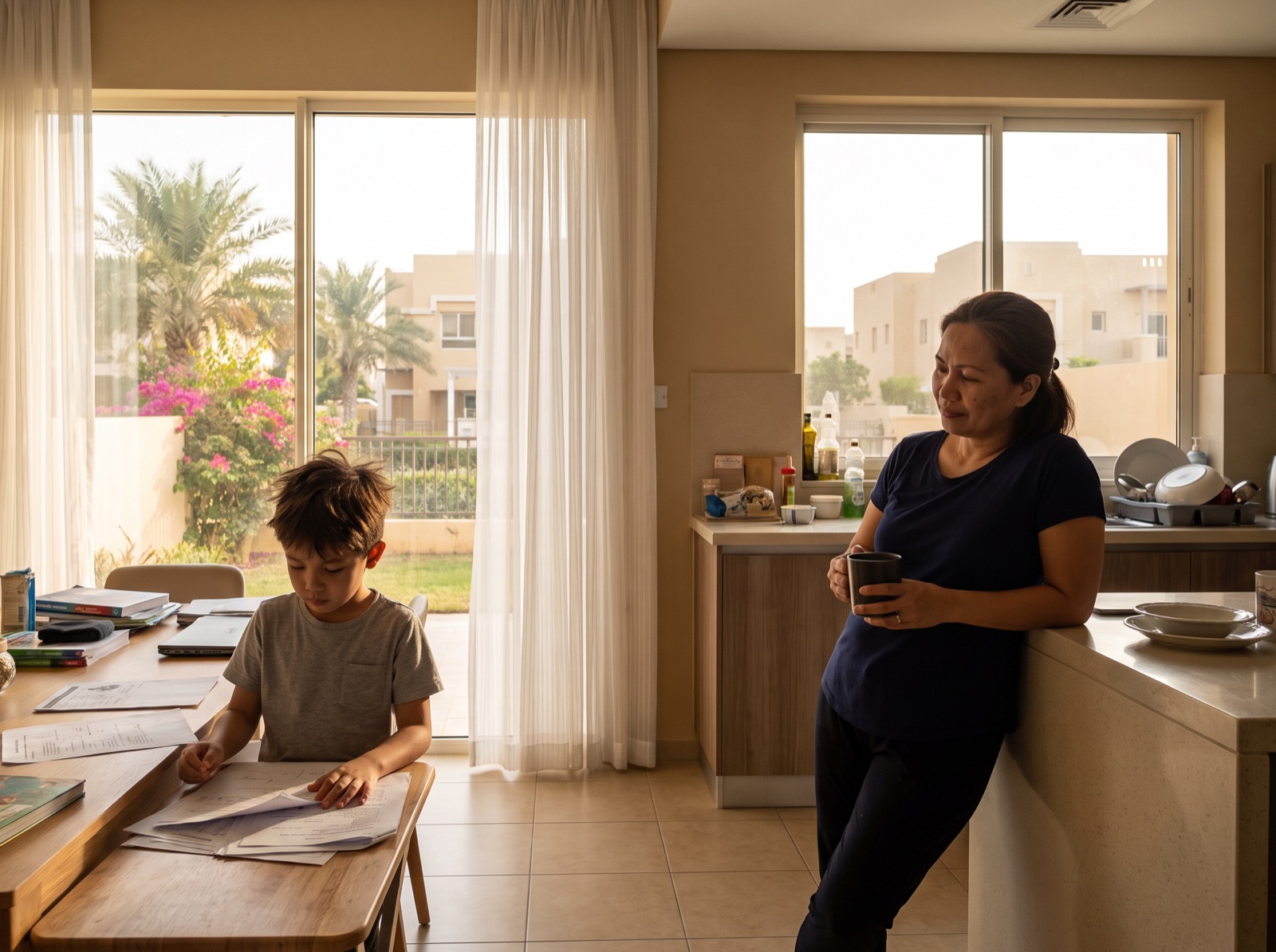
The short answer: good home support for a child with Down syndrome is patient, structured and ambitious at the same time. It carries the speech, occupational and physical therapy goals into ordinary routines, teaches independence in small steps rather than doing things for your child, and keeps expectations high. The governess follows a plan set by your child's therapists and reviewed by someone qualified, and does not replace any of them.
Every child with Down syndrome is different, and the plan should be written for yours rather than for the diagnosis. What follows is what good support tends to have in common.
Communication, every day, not only in therapy
Communication is usually central to the plan. Many children with Down syndrome understand more than they can yet say, and that gap can be frustrating for everyone. The speech and language therapist sets the targets; the governess's job is to make sure they are practised many times a day, in real situations.
- Give time to respond. Waiting a few seconds longer than feels natural, before repeating or helping, gives your child the chance to answer.
- Use what the therapist has introduced. If your child uses signs, pictures or a device alongside speech, everyone at home uses them too, consistently.
- Model rather than demand. Say the word or phrase your child is working towards, in context, rather than asking them to repeat it on command.
- Create reasons to communicate. Offer choices, pause in a favourite routine, put the snack in sight but out of reach. Small, planned opportunities add up across a day.
Motor skills and the physical day
Lower muscle tone can affect posture, stamina, fine motor tasks such as handwriting and buttons, and gross motor skills such as stairs and climbing. Where an occupational therapist or physiotherapist has set exercises or goals, the governess builds them into the day: the right seat for table work, the stairs walked rather than carried, the zip practised each morning rather than done by an adult.
What the governess should not do is invent exercises, push through pain or discomfort, or decide what your child's body is ready for. Those calls belong with the therapist.
Learning in small, visible steps
For many children with Down syndrome, learning goes well when it is broken into small steps, shown as well as said, and repeated in different settings until it sticks. A good governess:
- Keeps sessions short and ends them on a success
- Uses pictures, objects and demonstration alongside spoken instructions
- Practises the same skill in different places, so that it does not belong only to the table
- Follows the school's targets where your child is in school, so home and class work on the same things
- Records what your child did independently and what needed help
Independence: doing it with, not for
It is easy, and very kind, to do things for a child who finds them slow or hard. Over months it quietly teaches the child that someone else will do it. Good support teaches self-care towards independence on purpose: dressing, toileting, eating, washing, tidying up. Often the plan breaks a task into steps and teaches one at a time, with the adult stepping back a little further each week until your child is doing the whole thing.
This is where a written plan earns its keep. Without one, the routine drifts towards whatever is quickest on a busy morning, and a busy morning is most mornings.
Health routines and safety
Children with Down syndrome may have health needs their doctors are monitoring. Anything the governess needs to know or do, such as medication, feeding, hearing or vision considerations, and signs to watch for, should be written down by you from your child's doctors' advice and agreed before the first day. The governess follows those routines and reports concerns; medical decisions stay with you and the doctors. First aid training and a clear emergency plan are basics, not extras.
What to watch for
- Low expectations. A plan that aims too low is as unhelpful as one that aims too high. Ask what your child is being taught next, not only what they can already do.
- Prompt dependence. Your child doing well only with an adult beside them. Good support plans its own reduction from the start.
- A plan nobody reviews. Children change, and the goals should change with them. A plan untouched for six months is not stable, it is unattended.
- Home and school pulling apart. If the classroom and the living room teach the same skill different ways, your child is doing extra work to keep up with both.
Our Down syndrome support page explains how we work with families from early intervention through the school years, and Down syndrome and early intervention covers the earliest stage. If you need someone to carry the plan at home, the SEN governess page sets out what a placement includes.